Traditional Martial Arts: Still Relevant in Modern Combat?

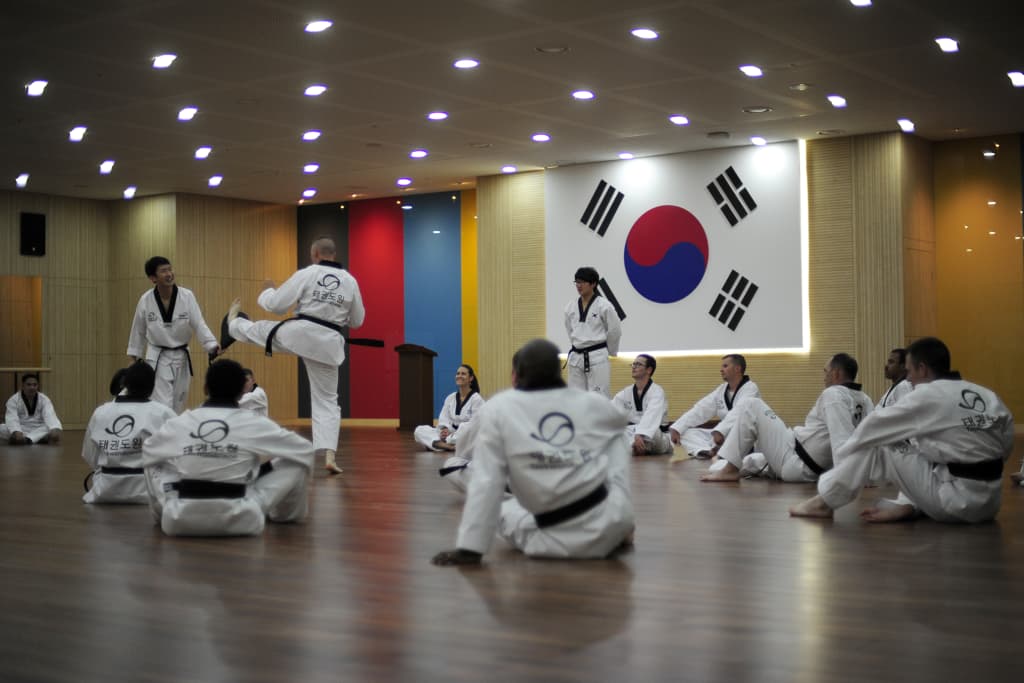
Taekwondo Sporting Event OR A Real Martial Arts With Self-Defense
November 3, 2024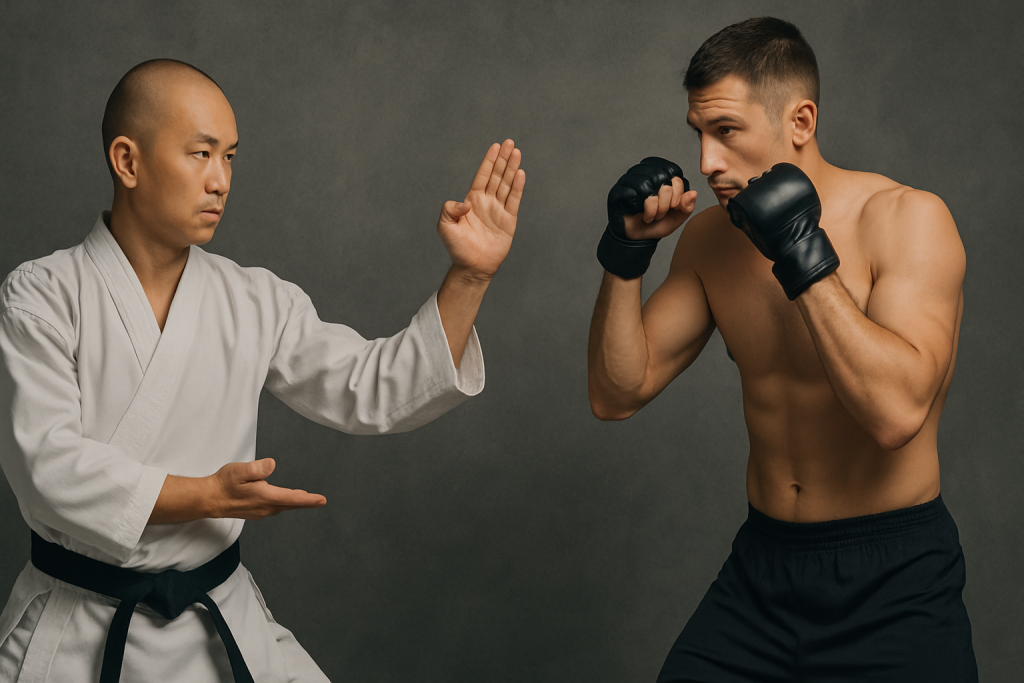
Traditional Martial Arts VS Modern Martial Art
F
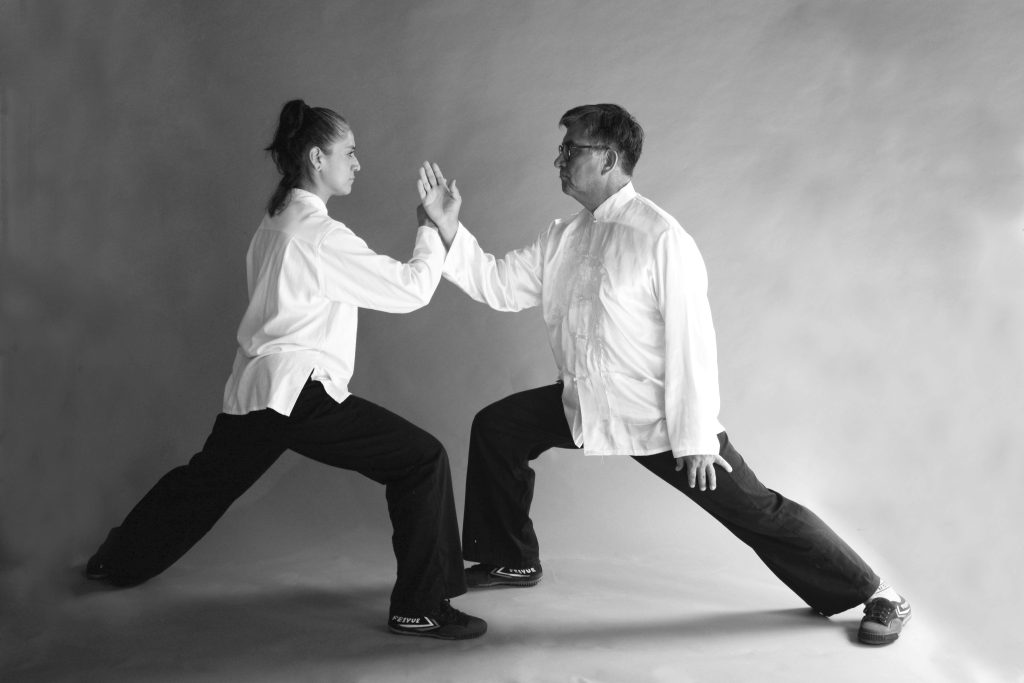
or almost 40 years, traditional martial arts have been given a bad reputation. We, as a society, have been made to believe that, in the world of viral fight videos and mixed martial arts (MMA), traditional martial arts do not have a uniform place. To some skeptics, there’s nothing to worry about with those—that they are antiquated, purely ceremonial, even "useless" in a real-world situation. Yet, this view tends to ignore the rich depth and long-term value that traditional martial arts still provide. Here’s how these most ancient of rituals are not simply of historical interest, but extraordinarily powerful even today.
The Essence of Traditional Martial Arts
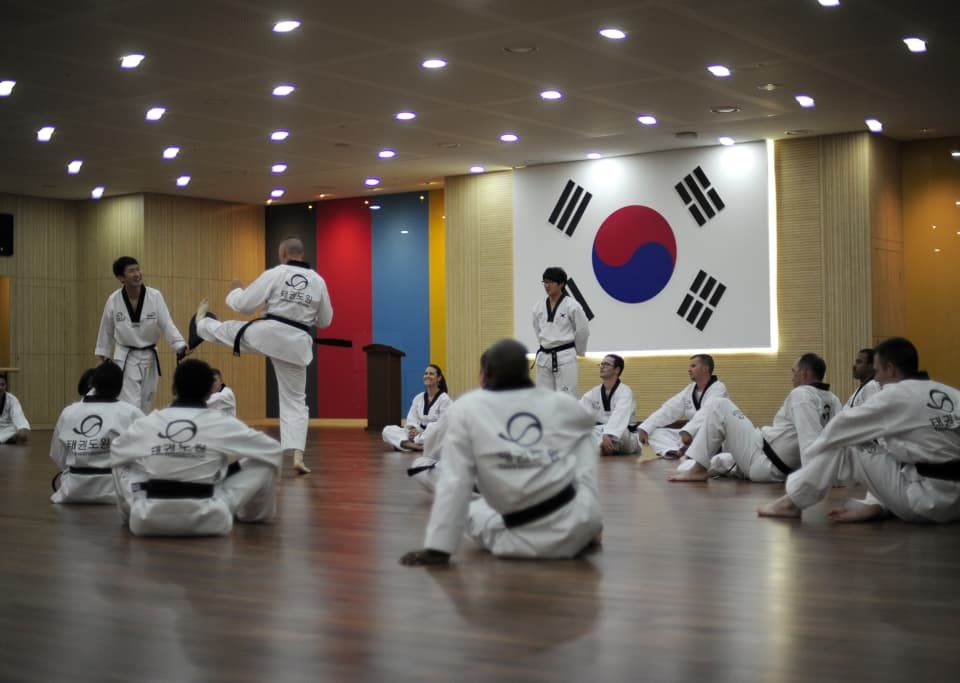
First, we’re going to see their relevance, but now just keep in mind what martial arts really means, especially the traditional stuff. While neither struggle nor accomplishment can ever be solely attributed to a career with the fighting arts alone, the classical fighting arts are much more than just fighting. They include philosophy, discipline/conditioning, mental state, and physical ability, all of which are usually time-honored and handed down in lineage form from generation to generation.They came from different histories, including those to be applied to battlefields, ones to apply to the defense of non-combatant people, and those to facilitate the development of an individual. This provides a deep definition of martial arts.
The argument over their combat effectiveness is nothing new. Critics claim that the practice of forms (kata) has led most styles to ignore many of the techniques in live sparring. However, many traditional martial arts styles are built with techniques that have been tested for centuries. The real secret is often not the style itself, but how it’s taught and how it’s practiced.

Here's a way to consider martial arts that experienced practitioners might not thought before...
Their Legacy: A Foundation for Modern Warfare
It may be hard for the skeptics to believe, but a lot of recent day fighting systems, like mixed martial arts (MMA) for example, are heavily influenced by the traditional fighting arts. In fact, far from being dead, these arts frequently turn out to be the foundations of modern art.
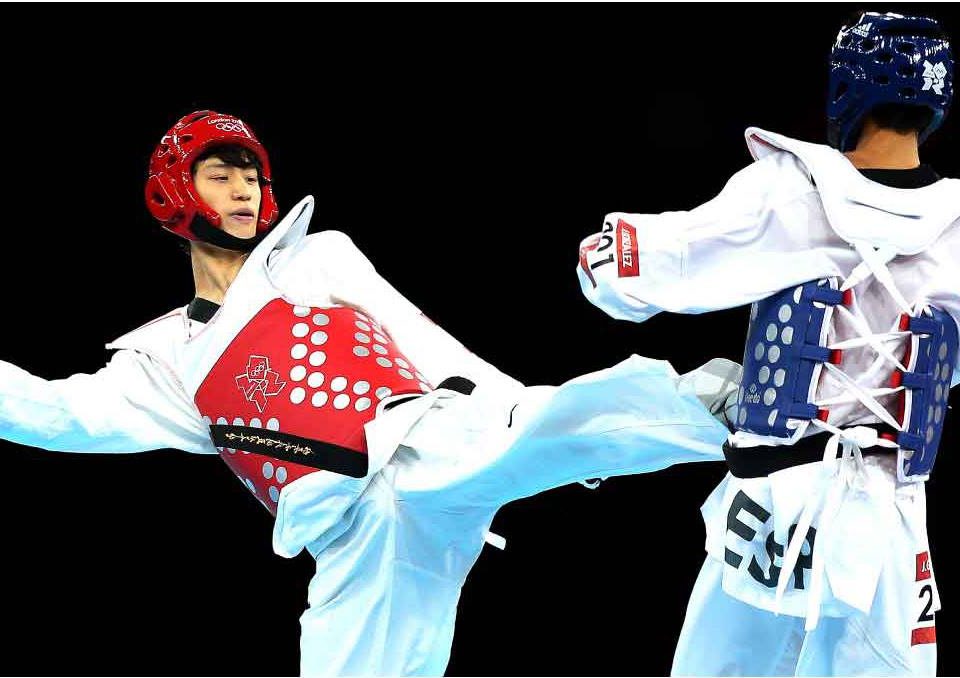
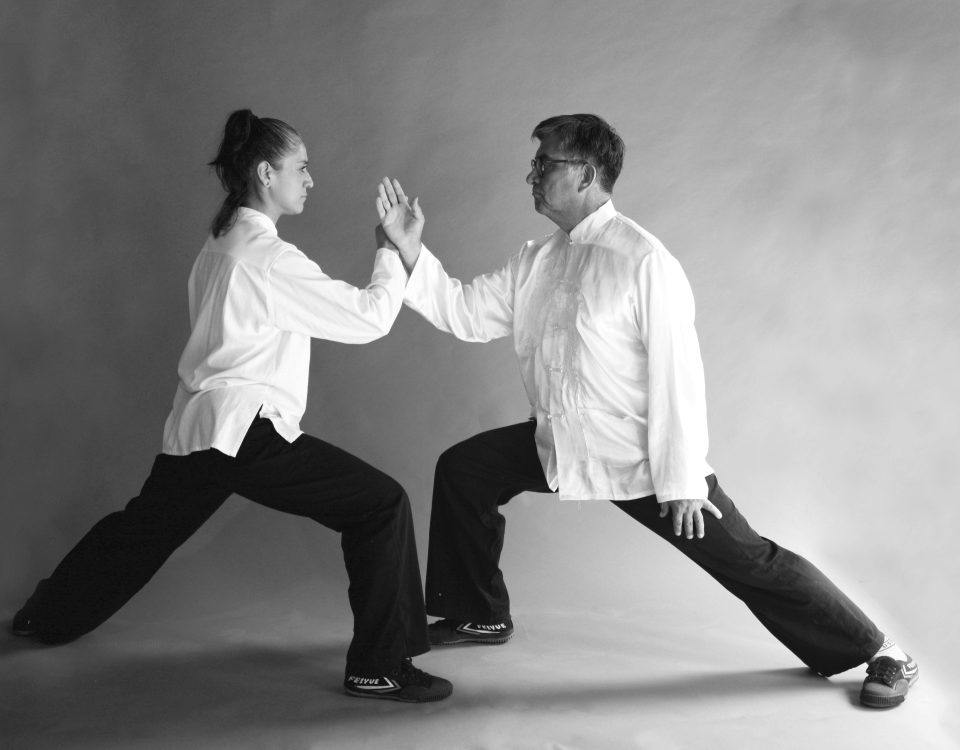
Think about it:Stand-Up: The fight-ending round kicks so frequently seen in MMA are descendants of Muay Thai or Taekwondo. The science of Western boxing is ancient, and its best practitioners transcend their eras. Even the more extreme angles (did anyone say Wing Chun) and close-quarter strikes are applied.
Grappling: Brazilian Jiu-Jitsu, with its famous ground fighting, is a descendant of the Japanese Judo and Jiu-Jitsu. Wrestling, one of the original combative arts, is a cornerstone for nearly every top MMA competitor.
Few people practice a single style of modern combat; it’s eclectic. Pugilists deftly pluck moves from multiple practices. Your spinning back kick or well-timed throw will in all likelihood be built on the common sense base and body alignment practiced in traditional martial arts. These arts give the "why" and the "how," a well-structured, methodical approach to teaching proper technique and understanding fundamentals.
The most successful MMA competitors typically have a substantive foundation in one or more traditional style, and many of today's trainers are accomplished in these "traditional" forms.


Outside the Circle: Deconstructing Training Perks
A traditional martial artist’s value isn’t just on the side of a cage in a one-on-one fight. What many people want are the holistic training benefits that tend to come with these:
Fitness: Consistent practice promotes superb focus, flexibility, coordination, balance, and muscle tone. It’s a full-body workout with its attention more so on the entire body.Mindset: Discipline, focus, patience, and perseverance become a part of the training. And yet, these are not just physical movements, but mental ones exercised for resilience and character.
Self-Defense: Unfortunately, some traditional style techniques do not transpose well into sport, but many have extremely effective self-defense techniques that take into account the fact they are used in real-life, unpredictable situations. A good school will put an emphasis on practical application, usually in drills and controlled live sparring.
Personal Growth: Core values within traditional martial arts training include honoring, self-awareness, and humility. They provide a way to continue developing yourself, to increase your confidence, to become more stress-free, and to keep your mind in balance. For parents, these conditioning advantages frequently make them the most important aspect when deciding on an activity for their kids.
The Reasons for Need for Adaptation and Evolution
The criticism that some forms of traditional martial arts are “useless” comes from this lack of adaptation and evolution. These arts were traditionally battle-tested in real conflict. But most styles, especially those that experienced popularity during times of peace, modeled less than practical training systems, where competition sparring often points only with a lack of proper resistance.The “McDojo” culture, where profit takes precedence over actual ability and where you often see sloppy, touch-and-go-only live sparring, additionally adds to this perception. Any traditional or modern martial art that does not "pressure-test" techniques against non-cooperative opponents runs the risk of being useless.
But many authentic traditional martial arts schools are also at one with developmental needs and change. They also incorporate live sparring, cross-training with other styles, and regularly update their curriculum based on current understanding of biomechanics and combat. This willingness to grow and change, holding on to their core beliefs—THAT is what keeps them authentic and true and steadfast. They know well that tradition, though essential, is somewhere else entirely from practical real-world application for combat effectiveness.
The Verdict: No Way Dead and No Way Useless
So, is traditional martial arts dead or worthless? Absolutely not. Though justifiable criticism may be made of the training methodology in some schools, the building blocks and applications of classical traditional martial arts were tested in combat and are found to be genuine, and are indeed the bedrock of contemporary martial art. You see though, their value doesn't stop beyond the fight; they offer deep value even for training of physical, mental, and personality development.
The key takeaway is discernment. A martial art’s combat effectiveness is not only in its age or tradition, but how it practices, if it is adaptable and evolves, and has great instruction (Practicing live drills regularly?). To those looking to join our community, for the current practitioner, the fitness enthusiast, or the doubter, this distinction tells us that the traditional martial arts are indeed alive and well, shaping the world of combat and the human experience.